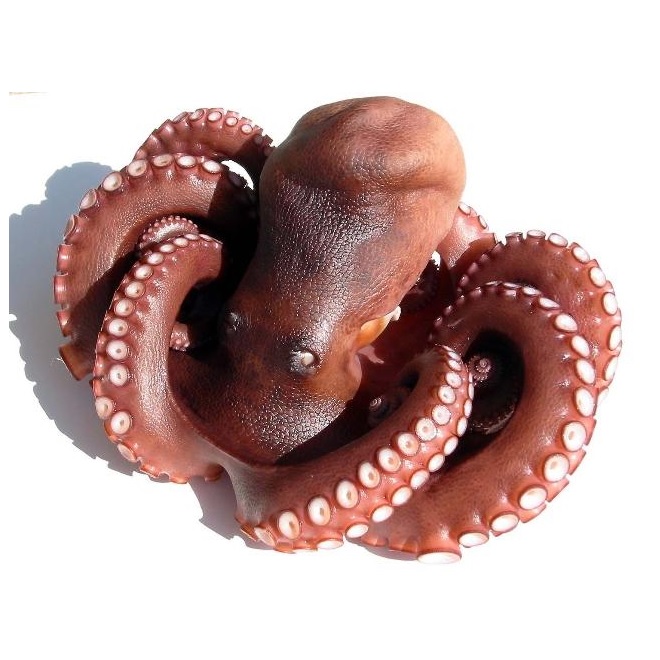
In Japanese, the word "tako" originates from the kanji "多股" (tako), which means "having many legs" or "broad-legged." In kanji, the word for octopus is written as "蛸" (tako), which is a shortened form of "海蛸子" (umidako), meaning "sea spider."
In the Kansai region, there is a custom of eating octopus during the season of "Banhasho" (半夏生), which is the eighteenth day after the beginning of summer. This tradition holds two meanings. Firstly, it symbolizes the crops firmly taking root in the ground, resembling the tentacles of an octopus. Secondly, it suggests consuming nutritious octopus before the peak of summer to overcome the upcoming heat, as octopus is rich in nutrients such as taurine, zinc, and protein.
Some representative octopus dishes in Japanese cuisine include takomeshi (たこ飯, octopus rice), takoyaki (たこ焼き, octopus balls), takoyawaraka-ni (たこ柔らか煮, simmered tender octopus), takokaraage (たこ唐揚げ, deep-fried octopus), and takowasa (たこわさ, marinated octopus with wasabi).